



News
Is your home power station up to standard?
Installing a distributed photovoltaic system requires connecting cables. Quality workmanship ensures neat and orderly cable routing. Additionally, cable trays are installed around the cables, enhancing aesthetics while protecting the wiring. Cable routing serves as a benchmark for construction quality, though it's not a mandatory requirement. While it generally doesn't affect power generation, it does reveal the contractor's capabilities. A reputable installation team pays meticulous attention to every detail. If the wiring in your system appears haphazard and messy, would you still consider the contractor reliable?
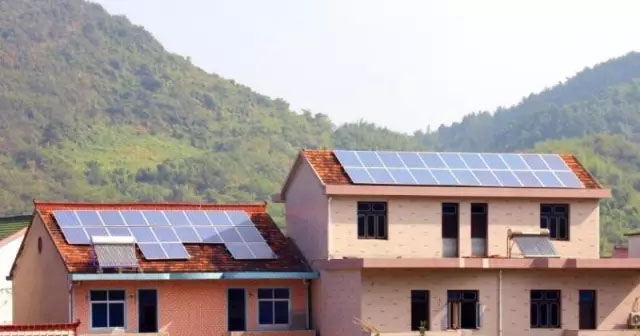
The modules within a photovoltaic array are connected in series, meaning shading affects the power output of the entire array. For example, if a 6-module array has one module partially shaded, all 6 modules' power generation will be impacted. Additionally, shading can cause hot spots on the modules, leading to damage.
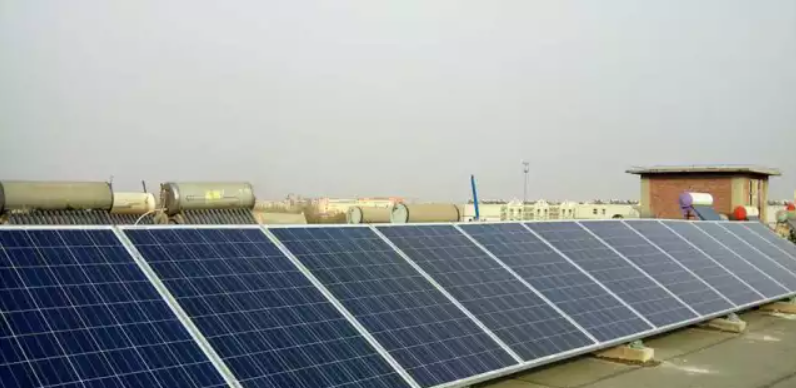
The installation angle of solar panels is a complex issue, and it's impossible to determine whether the tilt angle is optimal by visual inspection alone. However, if the tilt angle of your system's panels is excessively steep, you should be cautious, as such systems have questionable wind resistance. The optimal tilt angle depends on latitude; for example, in northern China, panels are typically installed at around 30 degrees.
Certificate of Conformity
Qualified products are essential for ensuring the power generation capacity of the system. Products from reputable manufacturers come with factory certificates of conformity and warranty documentation. Additionally, the presence of serial numbers on modules and nameplates on inverters serves as further verification that the products originate from legitimate manufacturers.